Erlangen Football Accident: A Tragic Turn of Events
The football community in Erlangen and beyond was plunged into profound grief following a devastating accident on Saturday, March 21, 2026, at a sports event in Erlangen-Bruck. A seven-year-old boy sustained life-threatening injuries when a mobile football goal tipped over, tragically succumbing to them shortly after in hospital. The incident, which occurred around 2 PM, even before the scheduled F-youth match was due to begin, sent shockwaves through Germany, prompting an outpouring of condolences and concern. This heartbreaking event highlights the critical, often overlooked, dangers associated with sports equipment and underscores the paramount importance of stringent safety protocols.
The Critical Role of Goal Weights in the Erlangen Tragedy
Initial police investigations, detailed by the Mittelfranken Police Department, have shed light on the circumstances leading to the fatal accident. According to a police spokesperson, four mobile goals were being prepared for the youth match. While three were of one model, the fourth, which ultimately caused the tragedy, was a different design. This specific goal featured "Zusatzgewichte" (additional weights) at its rear crossbar. These weights are standard safety features, specifically designed to prevent the goal from being blown over by strong winds when in its normal, upright playing position.
However, the police investigation revealed a tragic paradox: during the process of setting up this particular goal, it entered a "Schwung- und Kippbewegung" (swinging and tipping motion). It was during this critical moment that the goal, with its design-intended stability weights, became lethally unstable, falling onto the young boy. The very weights meant to anchor the goal securely in place seemingly contributed to its dangerous movement during the setup phase, turning a safety feature into a hazard under specific handling conditions. This detail is central to understanding the unique and devastating nature of the Erlangen incident.
Ongoing Investigations and the Quest for Answers
The immediate aftermath of such a profound tragedy necessitates thorough investigation to determine the exact sequence of events and any potential culpability. A "Todesermittlungsverfahren" (death investigation proceedings) has been initiated. Police efforts are currently focused on questioning witnesses and reconstructing the precise circumstances that led to the goal tipping over. A key part of this process involves a forensic expert examining both the football goal itself and the injuries sustained by the child.
Crucial questions remain unanswered, including how many individuals were actively involved with the goal at the moment of the accident, and what the precise intention or manoeuvre was just before it fell. The complexity of these questions underscores the need for meticulous work by the authorities. Once the criminal police investigations are concluded, it will be up to the public prosecutor's office to evaluate the findings, including the expert's report, and determine whether any "vorwerfbares Handeln" (culpable action) may have occurred. As of now, authorities have stated that it is still uncertain whether anyone bears specific responsibility for the boy's death. This ongoing pursuit of truth is vital, not only for justice but also for learning critical lessons that can prevent future tragedies. For a deeper understanding of the known facts surrounding this case, you can refer to
Erlangen Football Goal Tragedy: What We Know About the Boy's Death.
Community Mourns and Calls for Enhanced Safety
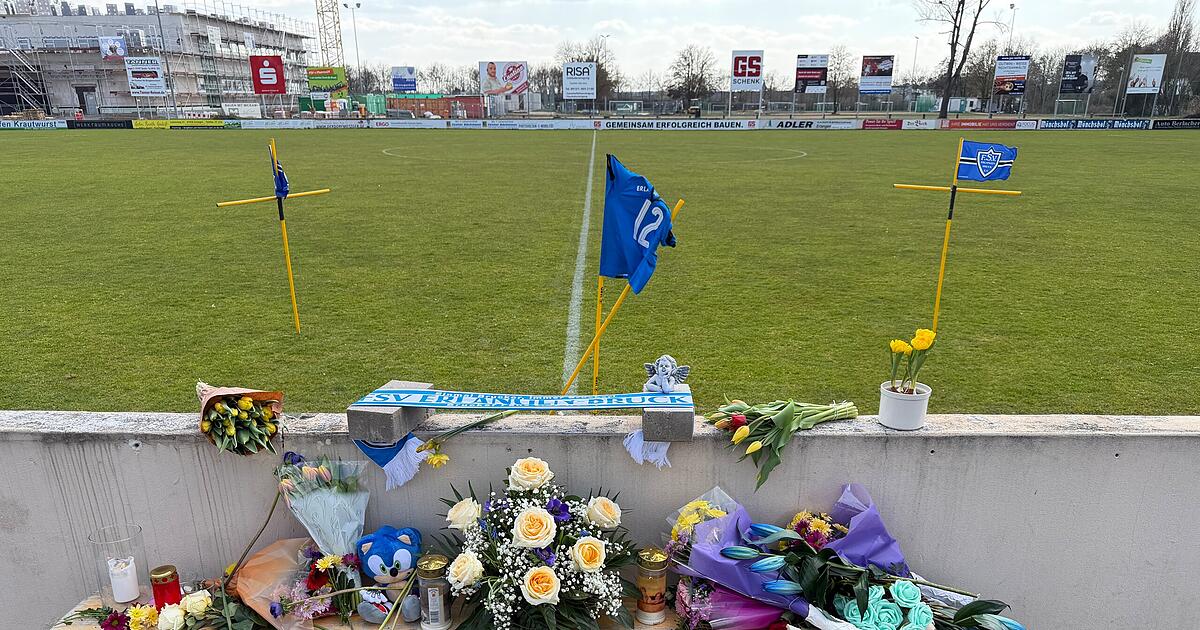
The death of the seven-year-old boy, often described in German media as the "Kind Von Fussballtor Erschlagen" (child crushed by football goal), evoked an overwhelming wave of sadness and solidarity. The day after the accident, the grounds of FSV Erlangen-Bruck, the boy's club, became a silent gathering point for visibly affected individuals, including children and teenagers, who laid flowers and tributes at a wall in a poignant act of mourning.
The Bayerischer Fußball-Verband (BFV), the Bavarian Football Association, expressed its deep shock and dismay, cancelling all junior matches scheduled for the following Sunday across the Erlangen/Pegnitzgrund district. Their statement, "We are all deeply shaken and speechless. We lack the words," echoed the sentiment across the wider football family. This collective grief underscores the strong communal bond in sports and the profound impact when such a young life is tragically cut short during what should be a joyful activity. The incident has not only brought immense sorrow but also a renewed focus on the critical importance of safety in youth sports, prompting a necessary re-evaluation of current practices.
Preventing Future Tragedies: Essential Mobile Goal Safety Practices
The Erlangen accident serves as a stark and painful reminder of the inherent dangers that can exist with sports equipment, particularly mobile football goals. While designed for portability, their weight and potential instability demand rigorous safety protocols to avert further fatalities. This incident, where a safety feature (weights) inadvertently contributed to the danger during setup, highlights a critical gap in understanding and procedure.
To prevent similar tragedies, sports clubs, coaches, parents, and volunteers must adopt comprehensive safety measures:
1. Always Anchor Mobile Goals
This is the most fundamental rule. Even goals with built-in weights are susceptible to tipping if not properly anchored.
- Permanent Anchoring: For goals that remain in place, use ground sleeves, stakes, or permanent concrete weights.
- Temporary Anchoring: For truly mobile goals, employ sandbags, water bags, auger-style anchors, or heavy chains securely fastened to the frame. The combined weight of these anchors should meet or exceed manufacturer specifications for tip resistance.
2. Understand Weighting Systems
The Erlangen accident underscored the paradox of weights. It's crucial to understand:
- Intended Purpose: Weights are primarily designed for stability when the goal is upright and in play, preventing wind-related tipping.
- Setup Hazard: During setup or takedown, the center of gravity can shift dramatically. Weights positioned at the back, while helpful when upright, can create a leverage point making the goal prone to tipping if not lifted and manoeuvred correctly by multiple individuals. Always consult manufacturer guidelines for safe handling and setup.
3. Strict Setup and Takedown Procedures
- Multiple Adults: Never allow children or insufficient numbers of adults to set up or move heavy mobile goals. A minimum of two, preferably three or four, adults should be involved, depending on the goal's size and weight.
- Manufacturer Guidelines: Adhere strictly to the goal manufacturer's instructions for assembly, movement, and anchoring. These guidelines are paramount.
- Clear Communication: Ensure all individuals involved in moving or setting up the goal are aware of their roles and communicate clearly throughout the process.
4. Regular Equipment Inspections
Routine checks are vital to identify potential hazards before they cause harm.
- Structural Integrity: Inspect frames for cracks, bends, loose welds, or missing components.
- Netting: Ensure netting is securely fastened and doesn't pose an entanglement risk.
- Anchoring Points: Check that all anchoring points are robust and functional.
- Weighting: Verify that any integrated or additional weights are securely attached and in good condition.
5. Constant Adult Supervision
Children should never be left unsupervised near football goals, especially mobile ones, whether they are in use or not. This is particularly crucial during setup or takedown when goals are most unstable. Children often perceive goals as climbing frames, which can lead to catastrophic accidents.
6. Comprehensive Training and Awareness
All individuals involved in sports activities, from coaches and club officials to volunteers and parents, should receive training on goal safety protocols. This includes understanding the risks, proper handling, and emergency procedures. Promote a culture where safety is everyone's responsibility.
7. Conduct Regular Risk Assessments
Sports clubs must regularly assess the risks associated with their equipment and facilities. This includes evaluating the type of goals used, storage methods, setup procedures, and the adequacy of supervision. Proactively identify and mitigate potential hazards. For a more detailed look at practical safety measures, read
Mobile Football Goal Safety: Lessons After Erlangen Fatality.
Conclusion
The heartbreaking loss of a seven-year-old boy in Erlangen is a profound tragedy that underscores the critical need for unwavering vigilance in sports safety. While the investigations continue to unravel the full sequence of events, the incident has highlighted how even safety-intended features, like goal weights, can become hazards if not fully understood and handled with utmost care during critical operations like setup. This is a powerful lesson for every sports club, coach, parent, and participant: safety should never be an afterthought. By implementing rigorous safety protocols, ensuring proper training, conducting regular equipment checks, and maintaining constant supervision, we can collectively work towards creating safer environments where children can enjoy the beautiful game without fear, ensuring that no family has to endure such an unimaginable loss again.